
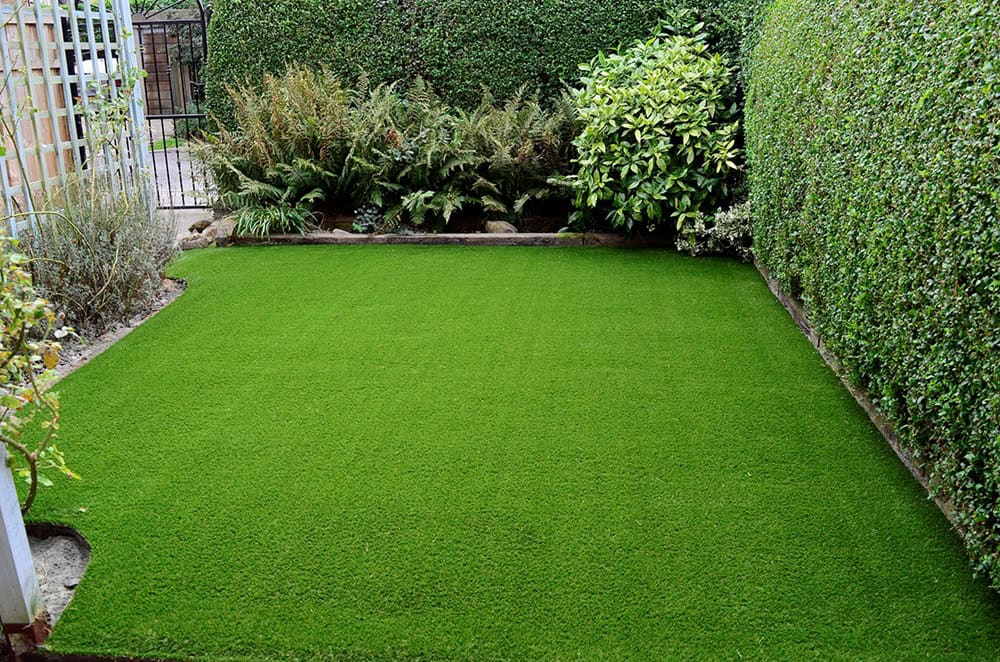
A muddy backyard is an eyesore that eventually becomes a daily frustration. It can be slippery puddles, ruined shoes, or pets tracking dirt indoors. Soggy grounds turn your outdoor space into a no-go zone.
Many Australian homeowners suffer from the issue almost all year round. As an Australian homeowner, you know it keeps costing time, money, and peace of mind.
Why do Australian backyards get so muddy in the first place? And what to do to stop the backyard from getting muddy? This comprehensive guide comes with a practical roadmap to reclaiming your backyard.
Why Australian Backyard Becomes Muddy?
Australia’s backyard muddiness isn’t some a seasonal nuisance. Instead, it’s more like a symptom of deeper environmental and infrastructural challenges.
Poor Soil Quality and Composition
Australian soils are among the oldest and most weathered on Earth. It lacks the nutrient-rich topsoil found in regions with steady-dependable soil.
Most backyards, especially in suburban developments, sit on clay-heavy soils. Clay retains water and drains slowly, turning lawns into sticky, swampy zones after rain.
Over 75% of Australia’s landmass harbors significantly low-fertility soils. They continuously struggle to absorb and redistribute water efficiently.
Extreme and Erratic Weather Patterns
Australia’s climate swings between intense droughts and heavy rainfall. Both factors contribute to muddiness.
The 2017 – 2019 drought was the worst since the Federation Drought of 1895–1903. It was followed by months of continuous rain and catastrophic bushfires, which destabilized soil structures.
Parts of New South Wales and Queensland saw rainfall exceeding 500 mm in a single month in 2022. It overwhelmed backyard drainage systems.
Urban Development and Compacted Ground
New housing developments often involve land clearing and soil compaction. Such activities continue to reduce the natural drainage.
Turf is laid over compacted subsoil without proper grading or drainage layers. It causes water to pool on the surface.
The issue mirrors rapid urbanization zones like parts of the US Midwest. Impervious surfaces and poor landscaping lead to backyard flooding.
Inadequate Drainage Infrastructure
Many Australian homes lack subsurface drainage systems, relying solely on surface runoff. It means there are no features like French drains, swales, or permeable paving.
The water has nowhere to go, especially in flat or low-lying yards. Over 60% of homeowners in flood-prone suburbs had no formal drainage plan for their backyard.
Vegetation Loss and Erosion
Removal of trees and deep-rooted plants for lawn aesthetics or construction reduces soil stability. No vegetation means no media to absorb water and anchor soil.
It accelerates erosion, creating muddy patches and uneven terrain. The phenomenon echoes globally as erosion and runoff have led to widespread soil degradation.
Climate Change Amplification
Rising temperatures and shifting rainfall patterns are intensifying soil saturation and erosion risks. Australia ranks among the highest per-capita greenhouse gas emitters. It directly contributes to climate volatility that affects backyard ecosystems.
Real-Time Example: Western Sydney Suburbs
Rapid housing expansion around Penrith and Blacktown has led to clay-heavy yards with poor drainage. 2023’s heavy rains initiated ankle-deep mud, damaged turf, and unusable outdoor spaces for weeks.
Stopping a Muddy Backyard: Initial Actions
Drainage problems are deceptively complex. You might be tempted to throw down gravel, install turf, or dig trenches. Without a proper diagnosis, these fixes may only mask the problem.
Experts consistently advise that solving drainage issues should precede any landscaping or gardening efforts. It’s because the problem may not be the muddy area itself, but the water flowing into it.
Poor drainage can damage foundations, attract pests, and ruin landscaping investments. In Australia, where soil types and rainfall vary dramatically, a one-size-fits-all solution rarely works.
Conducting a Rain Test
The most revealing diagnostic tool is simple: observe your yard during rainfall.
Grab a raincoat and walk your yard during or immediately after rain. Watch where water pools, flows, or disappears. Note any areas where water seems trapped or redirected unnaturally.
Look for –
- Overflowing downpipes or gutters.
- Water running off hard surfaces (driveways, patios) into garden beds.
- Patches that stay wet long after others dry.
- Soggy footprints or squelching sounds underfoot.
It should help identify whether the problem is surface runoff, subsurface saturation, or blockage.
Some Key Questions to Answer
Where is the water coming from?
Is it rainwater, irrigation runoff, or overflow from neighboring properties?
In urban areas, water often flows from roofs, driveways, or adjacent yards. In Western Sydney, rapid development has led to water pooling in backyards due to poor grading and runoff from nearby homes.
Is water being blocked from draining away?
Check for compacted soil, raised garden beds, fences, or retaining walls that trap water. Look for signs of erosion or sediment buildup that may be clogging natural drainage paths.
What’s your soil type?
Clay soils (common in Australia) retain water and drain slowly. Sandy soils drain quickly but may erode easily. Loamy soils offer balanced drainage but are rare in suburban developments.
Dig a small hole and fill it with water. If it takes more than 30 minutes to drain, you likely have clay-heavy soil.
Common Soil-Drainage in Australian Backyards
- Clay-Heavy (retains water + slow to drain): It causes persistent mudding and rotting roots.
- Poor Grading (yard slopes toward house or flat): Water pooling comes with foundation risk.
- Blocked Runoff Paths (fences, walls, compacted zones): They trap water to cause erosion.
- No Subsurface Drainage (lack of drains or soakaways): Saturated ground turns unusable.
- Overwatering or Irrigation Leaks (excess moisture): Muddy patches lead to fungal growth.
Immediate but Temporary Solutions for a Muddy Backyard
Your backyard is likely to turn into a mud pit, especially after heavy rain. In such a case, you need practical but fast interventions to restore usability.
Temporary Walkways
Lay down wooden boards, pallets, or stepping stones to create dry paths. Use rubber mats or recycled pavers for high-traffic zones. In Melbourne’s outer suburbs, homeowners often install recycled timber planks to cross soggy lawns during rainy months.
Sand or Mulch Spreading
Spread coarse sand or mulch over muddy areas to absorb moisture and reduce slipperiness. Mulch also protects plant roots from waterlogging and erosion. The materials are affordable and biodegradable, but may need frequent replacement.
Redirecting Downpipes
Use flexible downpipe extenders to reroute water away from problem zones. Ensure water flows toward storm drains or gravel beds. In Brisbane, improper downpipe placement has been linked to backyard flooding during summer storms.
Boards or Stepping Stones
Place flat stones or concrete pavers over muddy patches to create a stable footing. Avoid walking directly on wet soil, which worsens compaction and drainage.
Aerating with a Garden Fork
Poke holes 10 – 15 cm deep using a garden fork or manual aerator. It allows rainwater to penetrate compacted soil and improves oxygen flow. It’s best done when the soil is moist but not saturated. Avoid aerating during heavy rain or when the soil is waterlogged.
The temporary fixes are like your first defense. Such methods don’t deliver any long-term benefits. However, they can stabilize a backyard, protect the soil, and let you plan permanent solutions.
Long-Term Drainage Solutions for a Mud-Free Backyard
Australia’s diverse climate and clay-heavy soils demand robust drainage strategies. Subtropical Brisbane to temperate Melbourne, long-term actions offer lasting relief from waterlogging, erosion, and flooding.
Channel and Trench Drains
These are linear drains with grates that collect surface water and direct it away. Ideal for driveways, patios, pool decks, and pathways.
Installation involves trench excavation, laying a pre-formed channel, and securing a grate. Costs range from AUD $80 – $150 per meter, based on material and complexity.
Grated Drains Along Hardscaping
Dig a trench beside paved areas with a 5mm fall per metre to ensure flow. It prevents water from spilling over pavers and eroding joints. You can easily integrate the drain with existing stormwater systems using modular drain kits.
French Drains (Aggi Drains)
A trench filled with gravel and a perforated pipe, wrapped in landscape fabric. It collects water from saturated soil and redirects it to a safe outlet. Best for garden beds, lawn edges, and near foundations.
Installation requires a slight slope (1 – 2%), trenching, and proper layering. DIY kits cost around AUD $300 – $600, while professional installs range from AUD $1K – $3K+, depending on length and depth.
Dry Wells and Soakage Pits
Large underground containers that store excess water and allow slow percolation. Useful in heavy rainfall zones or areas with poor soil drainage.
Must be sized based on expected runoff; 100 – 300 liter capacity is standard. Requires periodic inspection to prevent clogging.
Stormwater Pits
Excavated basins with grates, placed in low-lying zones. They can be connected to council stormwater systems (permits required). Must meet local regulations. In Brisbane, for example, pits must be at least 600mm deep and professionally installed.
Grading and Resloping
A minimum slope of 1% – 2% away from the house is essential (1 – 2 cm drop per metre). Regrading is necessary when water pools near foundations or flows toward the house.
Requires soil removal, laser leveling, and compacting. Costs vary: AUD $1,500 – $5,000+, depending on yard size and complexity. Work around features like patios and trees using retaining walls or swales.
Gutter and Downpipe Management
Clean gutters biannually to prevent overflow. Install gutter guards to reduce debris buildup. Use downpipe extensions to direct water 2–3 metres away from the house. Ensure water flows into gravel beds, stormwater pits, or French drains.
Strategic Planting of Plants
Willows, poplars, and birch trees have deep roots that absorb groundwater. Rain gardens use depressions filled with moisture-loving plants to capture runoff. Native options include –
- Lilly pilly: fast-growing hedge, tolerates wet soil.
- Melaleuca (paperbark): thrives in boggy areas.
- Lomandra: hardy grass-like plant, excellent for erosion control.
The Permanent Solution: Synthetic Grass
Synthetic grass is a transformative upgrade for homeowners tired of a muddy Australian backyard. Advanced drainage technology and zero reliance on soil, artificial turf eliminates mud at the source.
Why Synthetic Grass Eliminates Mud Permanently?
01. Superior Drainage Properties
High-quality synthetic turf has a perforated backing, letting water pass through rapidly. The top products of Synthetic Grass Warehouse offer drainage rates of up to 1200 litres per hour per square metre. It means even heavy rainfall can initiate water pooling or lingering.
02. Year-Round Usability
Synthetic turf from Synthetic Grass Warehouse gets dry, clean, and usable immediately after rain. It requires no mowing, watering, fertilizing, or aerating, ideal for high-traffic zones. In regions like Perth and Adelaide, where rainfall is sporadic but intense, synthetic grass offers consistent usability.
03. Family and Pet Benefits
Artificial turf drastically reduces the amount of mud and dirt tracked indoors. Provides a safe, non-toxic surface for children and pets to play on year-round. Many synthetic grass products are hypoallergenic, helping reduce exposure to pollen and grass-related allergens.
Synthetic grass enables a permanent, mud-free solution. It combines drainage systems with climate-adapted materials. The product is effective when installed and integrated into an existing backyard system.
How to Choose the Right Synthetic Grass?
Pile Height Considerations
- 25mm ones are durable with less lush. They’re suitable for high-traffic and on-budget installs.
- 35 – 40mm ones are the most popular. They initiate a realistic look with an incredibly soft feel.
- 50mm ones are considered for premium lawns. The ultra-soft turf looks luxurious from the core.
For playgrounds and pet zones, opt for a shorter pile with reinforced backing. For front yards or display areas, 40 – 50mm offers aesthetic appeal.
Drainage Rate Specifications
Look for perforated polyurethane backing; more durable and water-resistant than latex. Ensure uniform perforation patterns for consistent drainage. Products should comply with Australian Standards AS/NZS 4422 for safety and performance.
Australian-Made vs Imported
Australian-made turf is engineered for UV resistance and heat management. It’s critical under the harsh sun. Advanced technologies can reduce surface temperature by up to 20%, improving comfort.
Pet-Specific Options
Choose turf with antimicrobial backing to prevent bacteria buildup. Enhanced drainage helps eliminate urine pooling and odors. Easy-clean surfaces allow for hose-down maintenance. Some brands offer odor control infill and non-toxic materials.
A muddy backyard doesn’t have to be your reality. No matter what you’re dealing with, a usable outdoor space is achievable. Diagnose the root cause, apply smart temporary fixes, and invest in long-term drainage solutions. Such measures should help you reclaim the backyard.